Music, visual art, drama and dance are often taught as separate subjects. We see them differently: as connected ways for children to explore ideas, express themselves and understand the world. At SYNERGY, bringing the arts together isn't an extra—it is central to how we help students grow.
The arts speak a shared language
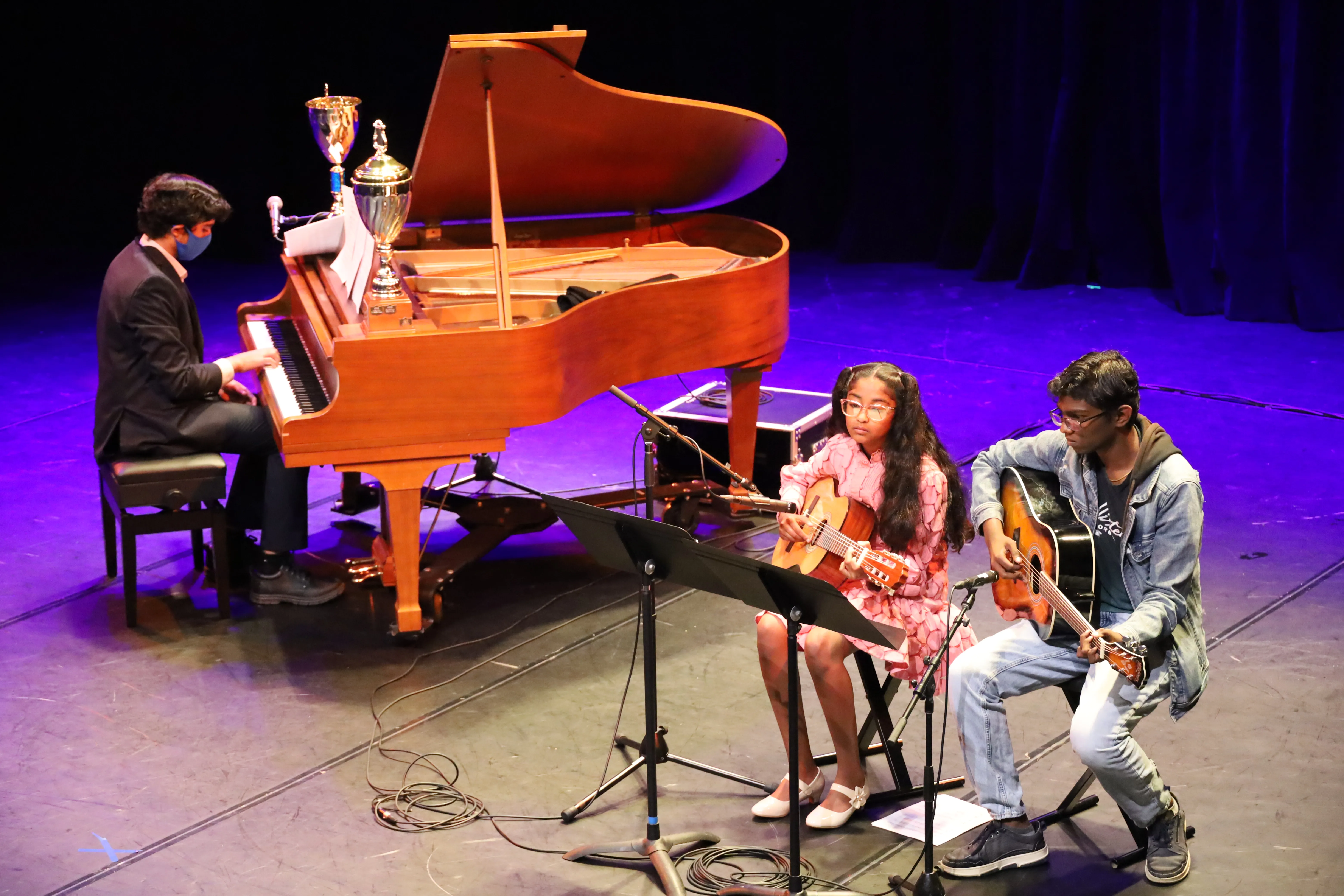
A musician shapes tension and release. An actor uses timing, movement and emotion. A visual artist works with contrast, balance and space. The materials may be different, but the underlying creative questions are remarkably similar: What am I trying to communicate? How can I make someone feel it? What happens if I try another way?
When children experience more than one art form, they begin to notice those connections. Rhythm can become movement. A painted scene can inspire a story. A dramatic character can suggest a melody. Each discipline gives students another way into the same imaginative world.
Creativity grows through cross-pollination
Creative thinking rarely stays inside neat boundaries. A student who struggles to explain an idea in words may sketch it first. A shy musician may discover confidence while playing a character. An actor may understand a scene more deeply after exploring its soundtrack or visual setting.
Moving between art forms helps students become flexible thinkers. They learn there is rarely one correct path to a meaningful result—and that experimenting, revising and trying again are part of the process.
Different art forms build different kinds of confidence
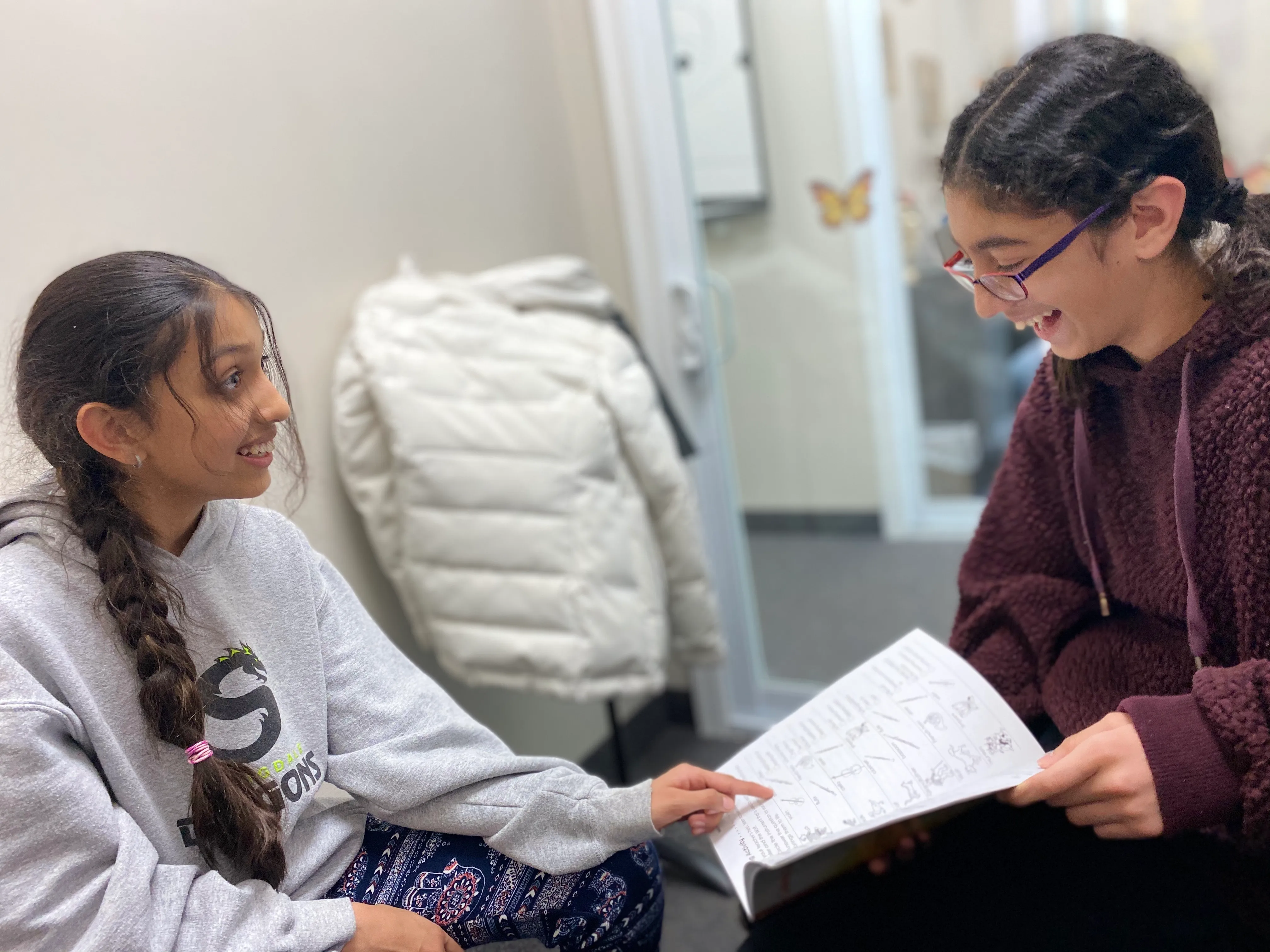
Confidence is not one single skill. Music lessons can build patience and the courage to practise something difficult. Art can encourage independent choices and comfort with ambiguity. Drama helps students speak, move and respond in front of others.
Together, those experiences create a fuller kind of confidence: the ability to have an idea, develop it, share it and adapt when things do not go as planned.
What we want students to learn: your ideas matter, your voice can grow, and mistakes are not the opposite of creativity—they are often where creativity begins.
The arts help children connect
Making art is personal, but it is also deeply social. An ensemble depends on listening. A scene depends on trust. A group artwork asks students to negotiate space, materials and ideas. In every case, children practise noticing what others contribute while learning how their own contribution fits into something larger.
That sense of belonging matters. Students do not all need to be the loudest performer or the most technically advanced artist to be valued. A healthy arts community makes room for many personalities, strengths and ways of participating.
Integration makes learning more memorable
Children remember experiences that engage more than one sense. A concept explored through sound, movement, colour and story has more ways to take root. This is one reason integrated arts education can be especially powerful: students meet an idea from several directions instead of encountering it only once.
That does not mean every lesson needs to include every art form. Strong foundations and focused practice still matter. Integration means leaving the doors open—helping students recognize that what they learn in one studio can enrich what they do in another.
Why this belief shapes SYNERGY
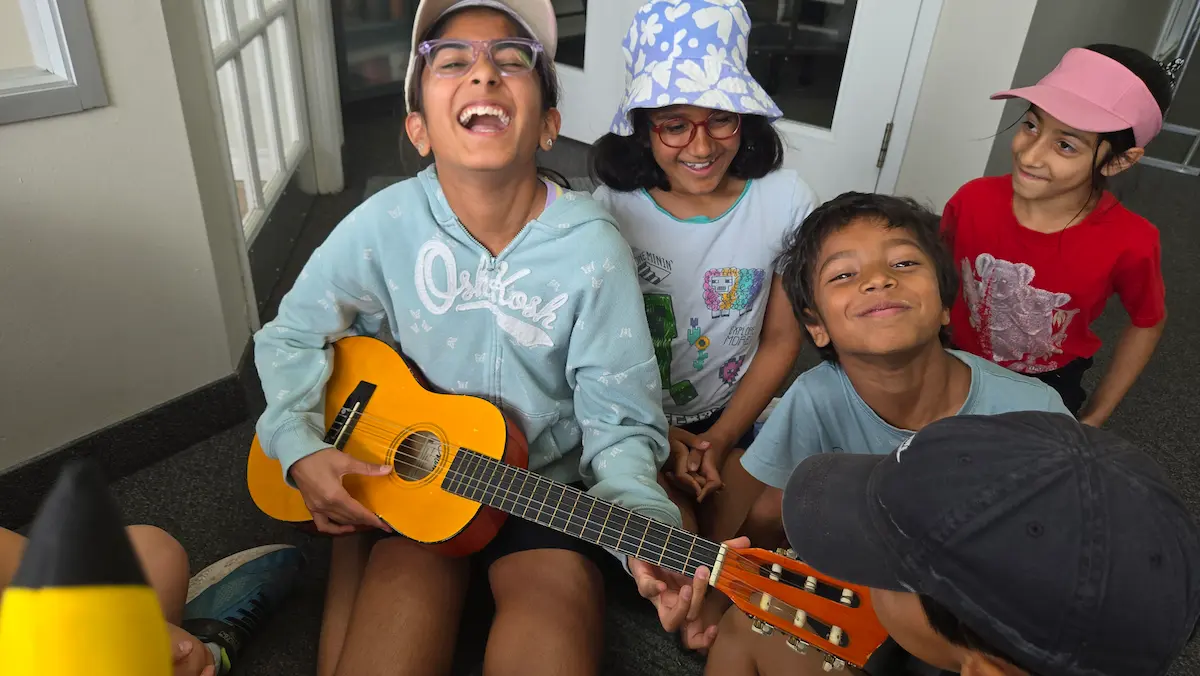
SYNERGY is a performing arts academy because we believe young people benefit from seeing the whole creative landscape. A student may arrive for piano and become curious about musical theatre. An art student may discover a love of storytelling. A drama student may gain a new appreciation for the music that gives a scene its emotional shape.
We want students to develop excellent skills, but we also want them to remain curious—to see creative possibilities beyond the walls of one classroom. The goal is not to make every child do everything. It is to make every child feel that the arts are connected, welcoming and available to them.
Find the creative path that feels right for your child.
Explore music, art and drama programs at SYNERGY Performing Arts Academy in Brampton.
Explore Programs →The arts belong together because children are whole people
Children do not separate imagination from movement, sound from emotion or stories from pictures. They experience creativity as a whole. Arts education is strongest when it respects that natural connection while giving students the skills to express it.
That is why we believe the arts belong together: each one makes the others richer, and together they help young people become more expressive, resilient, observant and connected.
Questions about finding the right program? Call us at 905-846-5000 or 289-544-4000. We're happy to help your family find a place to begin.